

To bring lasting peace to nations, politics must serve as a force for unity, progress, and the common good—not division or self-interest. Peace is not accidental; it is intentionally built through values, systems, and leadership that prioritize human dignity above power. Constructive politics, therefore, remains essential for fostering stable and peaceful societies.
Peacebuilding must be cultivated at every level of society. At the individual level, it begins with a conscious commitment to seeking peace within ourselves and with others—nurturing inner stability, practicing empathy, and resolving differences without hostility. Within communities, peace is strengthened when individuals reach out in service, actively supporting one another with compassion and shared responsibility.
At a broader level, sustainable peace is closely tied to how we relate to the world around us. It calls on us to protect our environment, recognizing that harmony with nature is inseparable from human well-being and long-term stability. It also requires that we respect diversity, valuing the richness of different cultures, perspectives, genders, and backgrounds—not as points of division, but as sources of strength and learning.
At the national and global levels, peace is sustained through responsible governance, accountability, and cooperation. This includes embracing our role to act as responsible citizens of the world, making decisions with an awareness of their global impact and a commitment to humanity’s shared interests. In this sense, peace is not the responsibility of leaders alone—it is a collective and continuous endeavor.
However, destructive politics is increasingly recognized as a serious threat to this vision. It represents a shift away from responsible governance toward “personal destruction,” where actions are driven by ego, self-preservation, or the pursuit of power rather than service to the people. In such environments, leadership becomes less about stewardship and more about dominance, eroding trust and weakening the foundations necessary for peace.
Destructive politics manifests in several concerning ways. It prioritizes self-interest over national interest, fosters division through “warring tribe” mentalities, and weakens democratic norms such as the rule of law and civil liberties. It often relies on emotional manipulation—exploiting fear and anger—rather than reasoned, inclusive policy. In extreme cases, it promotes instability and the dismantling of systems rather than meaningful reform.
The consequences are profound: deep societal polarization, erosion of truth, declining empathy, and the weakening of institutions essential to peace and justice. Left unchecked, such dynamics undermine not only governance but the very fabric of society.
At its core, destructive politics is self-serving, pursuing short-term gain at the expense of long-term stability and shared prosperity. In contrast, peace-centered politics offers a more sustainable path—one rooted in consensus, cohesion, mutual respect, and constructive engagement across differences.
If nations are to achieve sustainable peace, political leadership must rise above narrow interests and embrace integrity, responsibility, and inclusive dialogue. Equally, citizens, communities, and global partners must actively uphold these values in daily life.
Peace is not passive—it is a deliberate and continuous act: built within individuals, expressed through service, sustained through respect and responsibility, and realized through systems that place humanity above division.
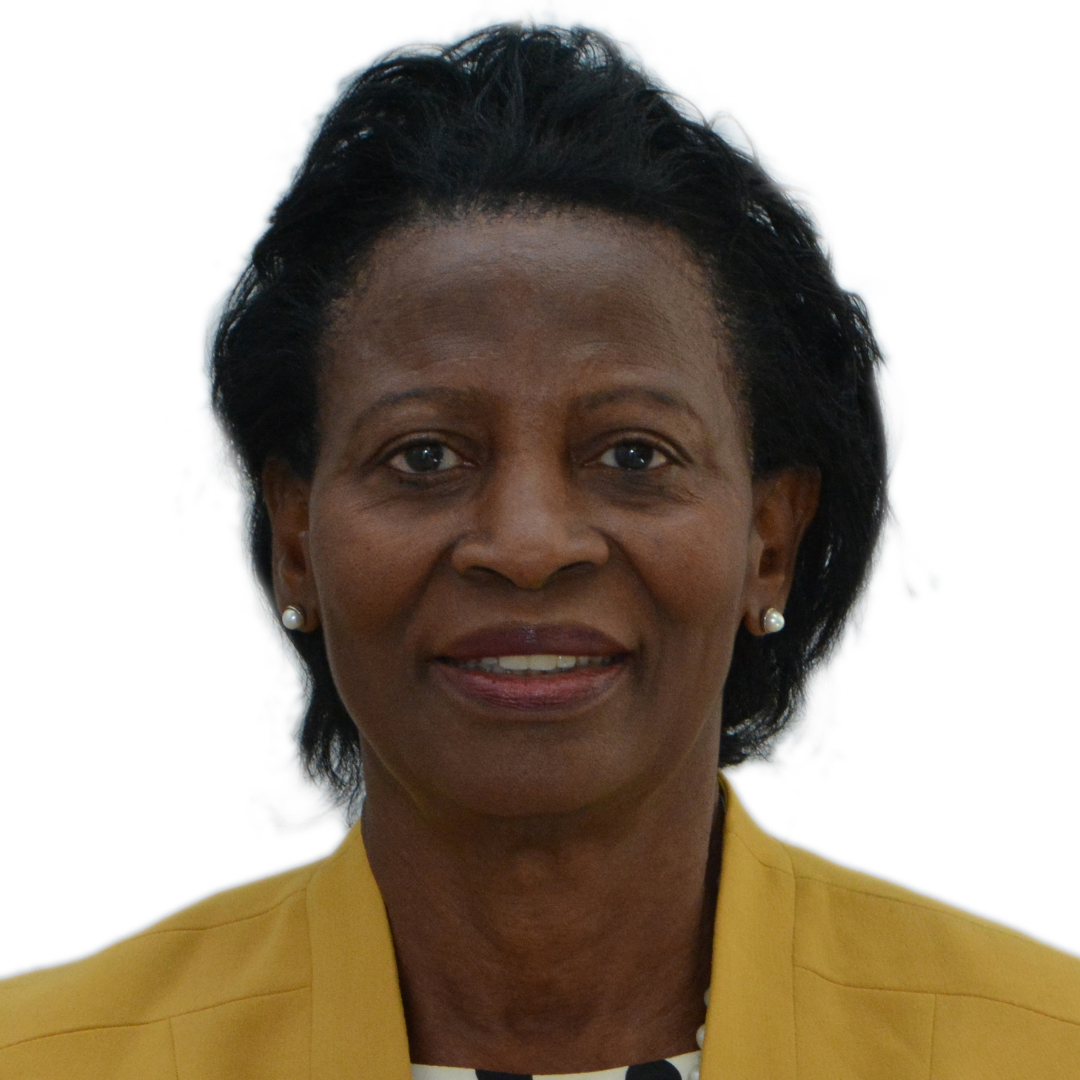
Cecilia Forgbe McGill (United States) is Peace Ambassador and Global Advisory Council Member dedicated to shaping a more interconnected and harmonious world. She is a core member of Diplomats Without Borders. She is a former Deputy Representative, Plenipotentiary for Liberia at the United Nations and dedicated to transformative change and advancing a shared vision of peace and equity.